Edy Pang
  • WORK
  • INFO
  • /LOG
  • WORK
  • INFO
  • /LOG

March 13, 2025

8 Types of Logos and How to Pick the Right One for Your Brand

Logo is more than just a pretty design—it’s the face of the brand. It’s what people recognize, remember, and connect with. For your own business, with so many different types of logos, how do you know which one fits your brand best?

Let’s break it down, one by one.

Wordmarks (Logotypes)

If your brand name is unique and easy to remember, a wordmark might be the way to go.

  • Think Google, Coca-Cola, or Disney—logos that are all about the font.
  • Works best for businesses with short, distinct names.
  • Typography is everything. The right font can make or break a wordmark.
  • Most popular in fashion—Gucci, Chanel, and Louis Vuitton all use them.

If you go for a wordmark, don’t just pick a random font. You need something that feels custom, polished, and reflective of your brand.

Lettermarks (Monograms)

When your brand name is long, a lettermark helps keep things simple.

  • Uses initials instead of the full name—think HBO, CNN, or NASA.
  • A clean, professional look that works great for corporate and tech brands.
  • Short and easy to recognize, especially in digital spaces.

If your company has a long or complicated name, a lettermark can save you from an overcrowded logo.

Letterforms (Letter Logos)

Letterforms take minimalism to the next level.

  • Uses just one letter—like McDonald’s “M” or Netflix’s “N.”
  • Simple, bold, and instantly recognizable.
  • Works best when the letter design is unique and memorable.

The trick here is to create something iconic with just one letter. That’s why strong typography is non-negotiable.

Pictorial Marks (Logo Symbols)

A picture is worth a thousand words—especially when it’s your logo.

  • Uses a single, recognizable icon—like Apple’s apple or Twitter’s bird.
  • Best for brands that are already well-known.
  • Can symbolize your brand’s values or industry.

Pictorial marks are powerful, but they take time to build recognition. If you’re just starting, pairing it with a wordmark (at least at first) might be a smart move.

Abstract Marks

Abstract logos are all about creativity and uniqueness.

  • Uses geometric or artistic shapes instead of a literal image.
  • Think of Nike’s swoosh or Adidas’ three stripes—simple but iconic.
  • Doesn’t tie your brand to a specific object, giving more flexibility.

The key here? Keep it simple. A good abstract logo should be memorable, not confusing.

Mascot Logos

Mascots add personality to a brand like nothing else.

  • Features an illustrated character—like KFC’s Colonel Sanders or the Pringles guy.
  • Works great for family-friendly, playful, or food brands.
  • Grabs attention and makes your brand feel more relatable.

The downside? Mascots don’t always work for every platform, especially in small-scale branding like app icons or business cards.

Combination Marks

Can’t decide between a symbol and text? Go for both. This usually happens when you want to use a symbol as a logo, but there’s a concern that it might not be easily recognizable.

  • Pairs a wordmark or lettermark with a symbol—like Shopify, Lacoste, or HappyFresh.
  • Offers flexibility: You can use the full logo or just the symbol when needed.
  • Ideal for new businesses that want strong brand recognition.

Combination marks are one of the most common logo styles—and for good reason. They’re versatile, clear, and easy to use across different branding materials.

Emblem Logos

If you want a logo with a classic, official feel, an emblem might be your best bet.

  • Features text inside a symbol or badge—think Starbucks, Manchester City, Inter Miami, or Harley-Davidson.
  • Feels timeless and prestigious, often used by universities or government organizations.
  • Has a lot of detail, which can make it harder to scale down for small designs.

Emblems work great for brands that want a traditional and sophisticated look. Just make sure it’s not too complex for digital use.

So, Which Logo Type Is Best for You?

Now that you know the 8 types of logos, how do you choose the right one? Here’s what to consider:

  • Your Brand Name: If it’s unique and short, a wordmark works. If it’s long, consider a lettermark.
  • Your Industry: Abstract and pictorial marks are great for tech and lifestyle brands, while emblems work well for institutions.
  • Your Audience: Mascots are fun and friendly, while letterforms feel sleek and modern.
  • Your Growth Plans: If you plan to expand globally, an abstract or pictorial mark might be a smart move since it’s not tied to a specific language.

Your logo is one of the most important elements of your brand identity. Take your time, experiment, and find a style that truly represents what you stand for.
Published by Edy Pang Muhtar in Work
Tags: Design, Logo, philosophy, type of log

March 6, 2025

Great Product Needs Great Branding

A great product alone isn’t enough. Without strong branding, even the best ideas can go unnoticed.

Back in 2016, I had the chance to be part of Kreasi untuk Beraksi, a workshop at Rumah Tiara focused on empowering people with disabilities through creativity. Alongside Asrari Puadi and Felicia Andrianto, I shared insights on how branding can elevate a product’s value.

One key point I emphasized was:

"Selain produk yang bagus, adanya brand(ing) yang baik, termasuk menggunakan kemasan, logo yang unik dan mudah diingat, dan atribut-atribut khas lainnya, maka kita akan dapat meningkatkan value dari sebuah produk yang kita buat.” —Edy Pang

"Besides having a great product, good branding—such as unique and memorable packaging, a distinctive logo, and other signature attributes—can significantly increase the value of what we create." —Edy Pang

Branding isn’t just about a good-looking logo. It’s about creating a lasting impression—packaging that stands out, a name that sticks, and a visual identity that builds trust. When done right, branding turns a product into an experience, a business into a brand.

That workshop reminded me why I do what I do. Design is more than aesthetics—it’s about impact. It’s about shaping how people connect with a product, a story, or even a movement.

Looking back, I’m grateful for that experience. And moving forward, I’ll continue helping businesses and creators not just make good products, but build great brands.

Published by Edy Pang Muhtar in Talk
Tags: Branding, Design, Logo, Talk
Featured Image

July 13, 2021

WHAT/IF #02 Reimagining EURO 2020 Teams in Corporate Style

For this edition of WHAT/IF, I took on the challenge of redesigning the logos of the eight national teams that reached the EURO 2020 quarterfinals. This was a spontaneous, experimental project that took about six hours, from initial sketches to final execution.

Approach

My goal was to explore how these national football identities could be interpreted in a corporate branding style while keeping their essence intact. The strategy behind each redesign involved:

  • Merging elements from the national flags and existing logos to create a sense of familiarity.
  • Incorporating the first letter of each country’s name to enhance recognizability.
  • Keeping the style modern, bold, and versatile, as if these were corporate brands rather than traditional football emblems.

BONUS: Argentina – Copa América 2021 Champions

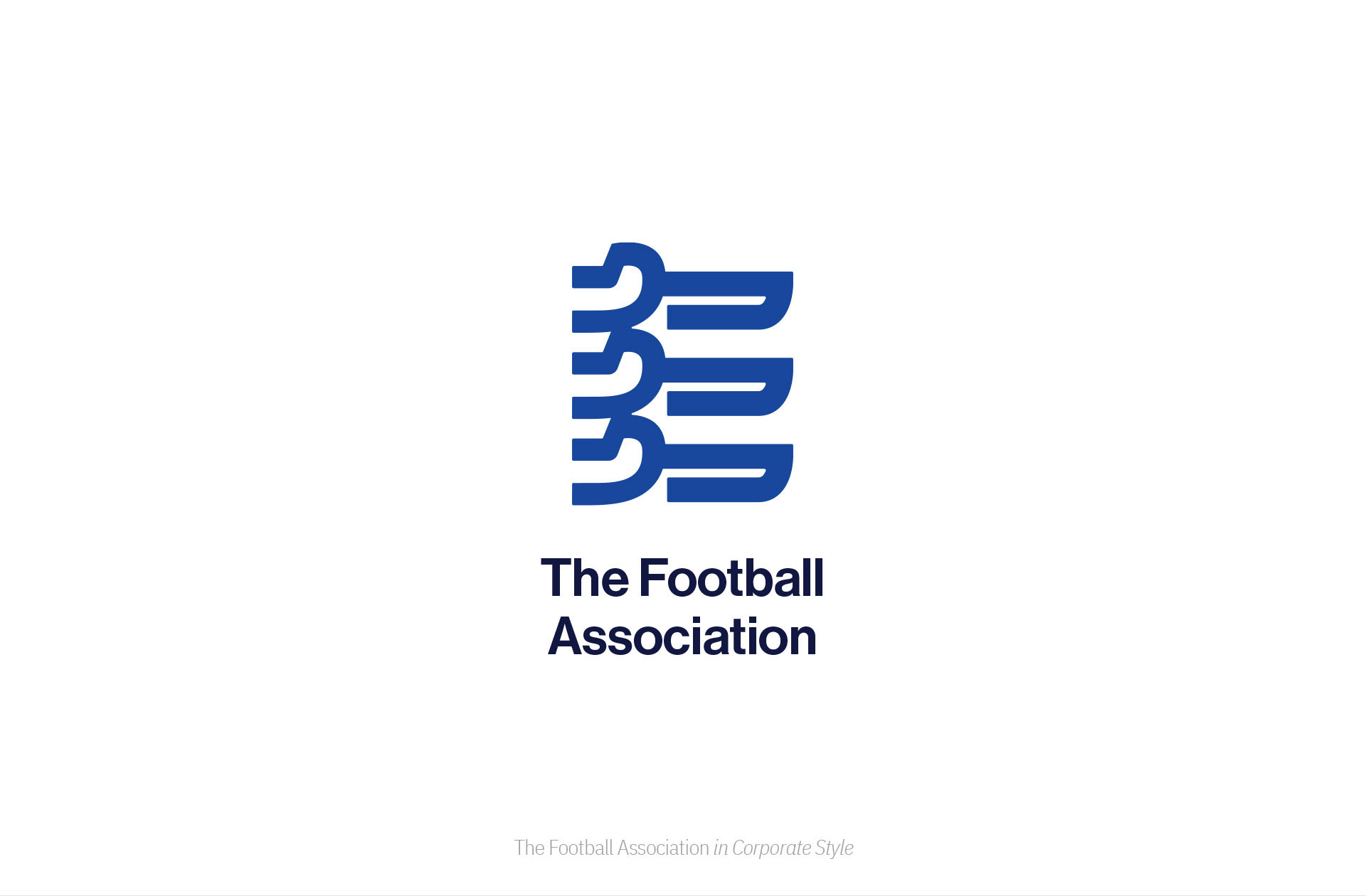
Alongside the EURO 2020 series, I also experimented with a corporate-style redesign of Argentina's Football Association logo, celebrating their Copa América 2021 victory.

This project was a fun design exercise, blending sports identity and corporate aesthetics. It was an exciting way to push logo design boundaries while maintaining the core symbolism of each nation.

Published by Edy Pang Muhtar in Work
Tags: Design, Experiments, Logo
Featured Image

March 14, 2020

BMW Unveils a New Logo, but Why?

BMW has just unveiled its brand-new logo, joining the growing list of automakers embracing flat design. Before BMW, both Volkswagen and Kia had already made similar moves, paving the way for this trend in the automotive industry. At this point, it feels inevitable—flat design is taking over. But why are so many car brands shifting in this direction?

BMW’s New Logo, A Closer Look

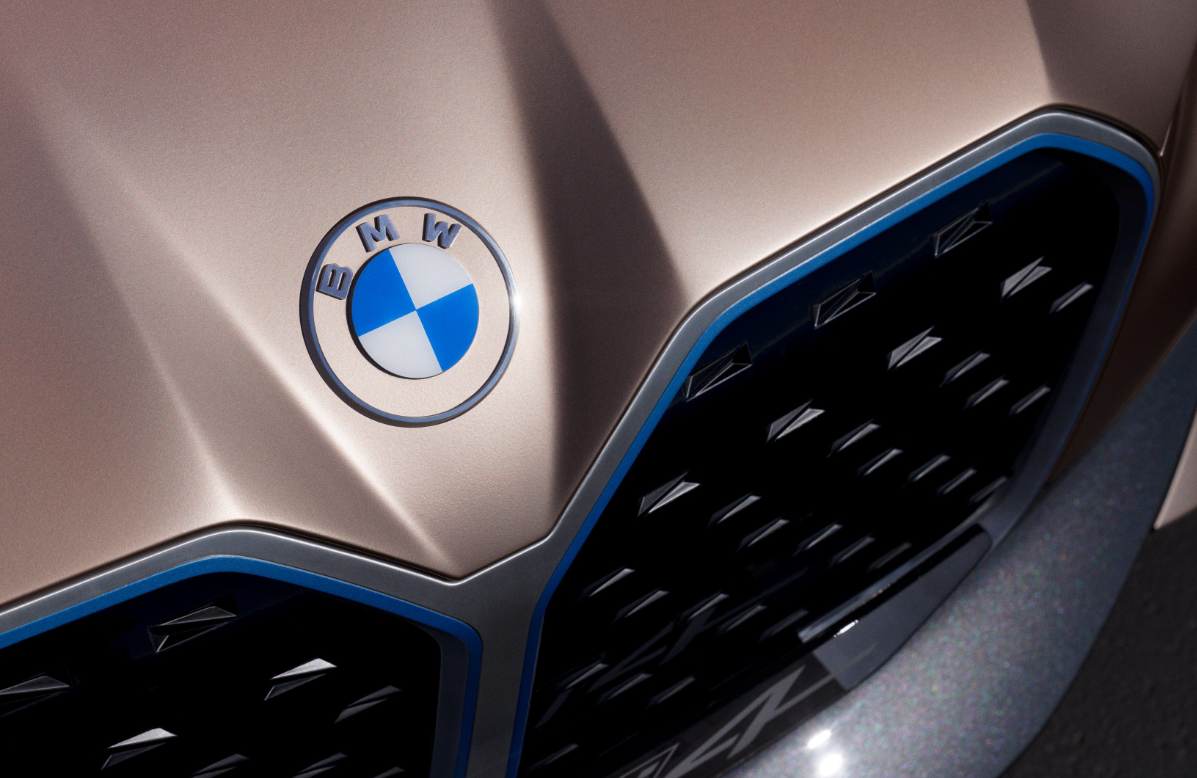
In case you haven’t seen it yet, here’s the new BMW logo:

According to Creative Bloq, this marks BMW’s "most radical logo change in over 100 years." So, what exactly has changed? Let’s break it down:

  • Transparent Background – The iconic black outer ring is now gone, leaving a transparent gap.
  • Refined Typography – The letters "BMW" maintain a bold and retro-inspired look, blending classic and modern aesthetics.
  • Flat Design Over Skeuomorphism – The three-dimensional effect of the previous logo has been removed in favor of a minimalist, flat design.

A Trend in the Automotive Industry

BMW’s new emblem first appeared on the BMW i4 Concept, a next-generation electric vehicle. This move mirrors similar branding updates by Volkswagen and Kia, both of which embraced flat, modern aesthetics when unveiling their latest electric models.

Why now? Well, the future of mobility is electric, and legacy automakers are racing to reinvent themselves in an industry increasingly dominated by Tesla. A modern, digital-friendly identity helps these brands signal their forward-thinking approach to new technology, sustainability, and innovation.

Volkswagen introduced its simplified flat logo in 2019, revealing it alongside its new ID.3 electric vehicle. The change reflected VW’s commitment to electric mobility while making the logo more adaptable to digital interfaces. Kia followed in 2021 with a fresh new wordmark, shedding its oval badge in favor of a futuristic, continuous script. Now, BMW is making a similar statement, reinforcing its position in the evolving automotive landscape.

The Future of Automotive Branding

These logo redesigns aren’t just about aesthetics—they’re strategic moves aimed at shaping brand perception in a rapidly changing market. As electric vehicles become the new standard, car manufacturers must present themselves as innovative and cutting-edge. Design plays a crucial role in this transformation.

Tesla, the industry’s trendsetter, has established a high benchmark for modern automotive branding. Its sleek, minimalist approach has influenced not only car design but also how automakers present themselves visually. For brands like BMW, Volkswagen, and Kia, embracing flat design isn’t just about following a trend—it’s about staying competitive in an industry undergoing a fundamental shift.

So, will we see more automakers following suit? Most likely. As the competition in the EV space intensifies, expect more legacy brands to refresh their identities, aligning their visual language with the digital and electric age.

Published by Edy Pang Muhtar in Elses
Tags: automotive, BMW, cars, Design, Kia, Logo, Volkswagen

November 11, 2014

Logo Design Works: JITC, PNM, ASC

Designed logo for community and startups.

Jawa Timur IT Creative (JITC)

Designed a logo for Jawa Timur IT Creative, a Surabaya-based IT community. The concept symbolizes growth and development, represented by a gradient of boxes with the JITC letters embedded inside.

Visit JITC

Amana Sharia Consulting

Created a logo for Amana Sharia Consulting, incorporating the letters A, S, and C in a clean, readable form. The three dots above are inspired by the Arabic letter Shin (ش), symbolizing Sharia (Islamic law).

Visit Amana Sharia Consulting

Prima Nusantara Madani

Designed the logo for Prima Nusantara Madani, my brother’s company. The design integrates a half-circle, ocean waves, and hills, subtly forming the initials P, N, and M within the composition.

Published by Edy Pang Muhtar in Work
Tags: Amana Sharia Consulting, Brand Identity, JITC, Logo, Pima Nusantara Madani
Featured Image

October 2, 2014

Logo Design for Putera Ratna

Designed the logo for CV. Putera Ratna, an electronics company in Surabaya, inspired by circuit board patterns to represent connectivity and innovation. The client was my friend Adam Ainun Akbar, but I’m not sure if he ever used the logo.

Published by Edy Pang Muhtar in Work
Tags: Design, electronics, Logo
Featured Image

July 20, 2014

Good News From Indonesia, The Logo Philosophy

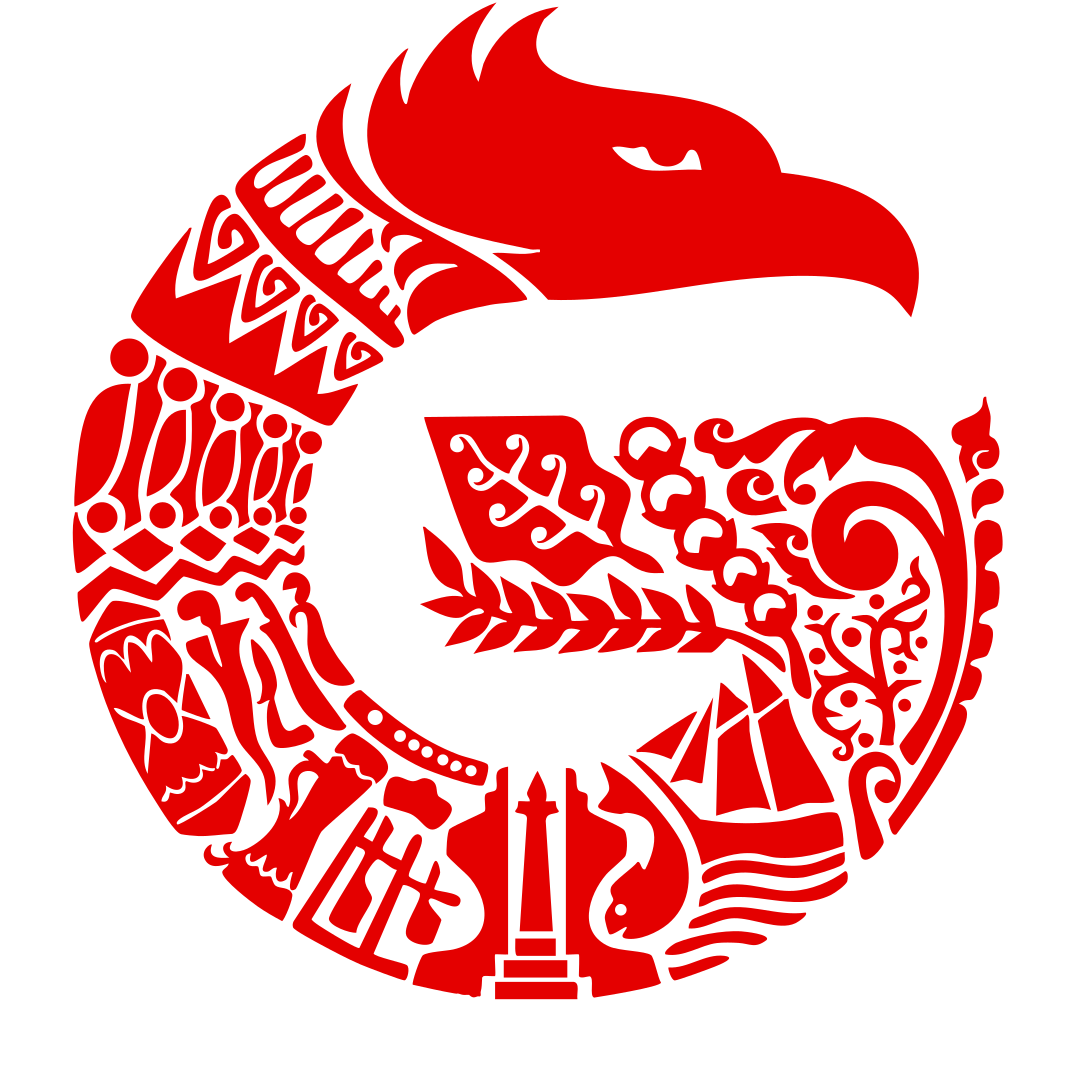
Designing a logo is never just about aesthetics—it’s about telling a story, shaping an identity, and capturing the essence of a brand’s mission. When I set out to create the new logo for Good News From Indonesia, my goal was to craft a visual symbol that embodies strength, diversity, and optimism, just like Indonesia itself.

Every element in this logo is intentional, each carrying a deeper meaning rooted in heritage, culture, and national pride. The structure, motifs, and details are all carefully designed to reflect Indonesia’s vast richness—from its traditional arts and crafts to its unshakable spirit of progress.

Here’s the thought process behind every part of this logo:

The Letter G

As the first letter of “Good News From Indonesia,” the G naturally became the foundation of the logo. I designed it to be bold, simple, and strong, symbolizing the core values of confidence and trust. It serves as the backbone of the identity, much like a solid foundation for an enduring vision.

Logotype

The name "Good News From Indonesia" speaks for itself—it’s a brand built to spread positivity, pride, and optimism among Indonesians. The logo needed to reinforce that spirit, making the message clear and unmistakable.

The Elements That Shape the Letter G

Rather than a plain letterform, I constructed the G using diverse visual elements that represent Indonesia’s multicultural identity, historical grandeur, and abundant natural wealth. These motifs include traditional textiles, heirloom weapons, music and performing arts, intricate carvings, and architectural landmarks—all essential pieces of Indonesia’s story.

Traditional Cloth Motifs (Wastra Indonesia)

Textiles have always been a symbol of cultural identity. I incorporated batik parang from Java, paired with geometric patterns from various islands, to represent Indonesia’s rich textile heritage. These patterns reflect the diverse traditions, evolution, and unique character of each region.

Indonesian Musical Instruments

Music is an integral part of Indonesia’s artistic identity, so I included elements that symbolize this richness. The angklung from West Java, the bonang (gong), the flute, and the tifa drum from the eastern region were chosen to showcase Indonesia’s vast musical landscape.

Ocean, Fish, and the Pinisi Ship

Carving is one of Indonesia’s most remarkable artistic traditions. I drew inspiration from Majapahit-era carvings, known for their sophistication and influence on modern designs. To reflect regional diversity, I also included Balinese carvings and ornamental motifs from Aceh and North Sumatra, which are often used in architectural and decorative elements.

Rice and Cotton

Rice and cotton are widely used symbols in Indonesian government and institutional logos, including Garuda Pancasila, where they represent social justice and prosperity. I included them in this design as a reminder of collective well-being, fairness, and the pursuit of a better future—principles deeply embedded in the nation’s values.

Gunungan

Beyond music, Indonesia has a rich tradition of storytelling and theater, from wayang kulit (shadow puppetry) to ludruk and ketoprak performances. The gunungan, a symbol used in wayang, represents the journey of life, transformation, and cultural resilience—an element I felt was crucial to this design.

Garuda Eagle Head

Finally, the Garuda’s head plays a defining role in this logo. Its upward tilt signifies pride, confidence, and ambition, reinforcing the idea that Indonesia is a great nation with a bright future. The sharp gaze looking forward represents optimism and determination, tying together the entire meaning behind the logo.

Read the full case study here

Published by Edy Pang Muhtar in Work
Tags: Design, Good News From Indonesia, Logo, philosophy